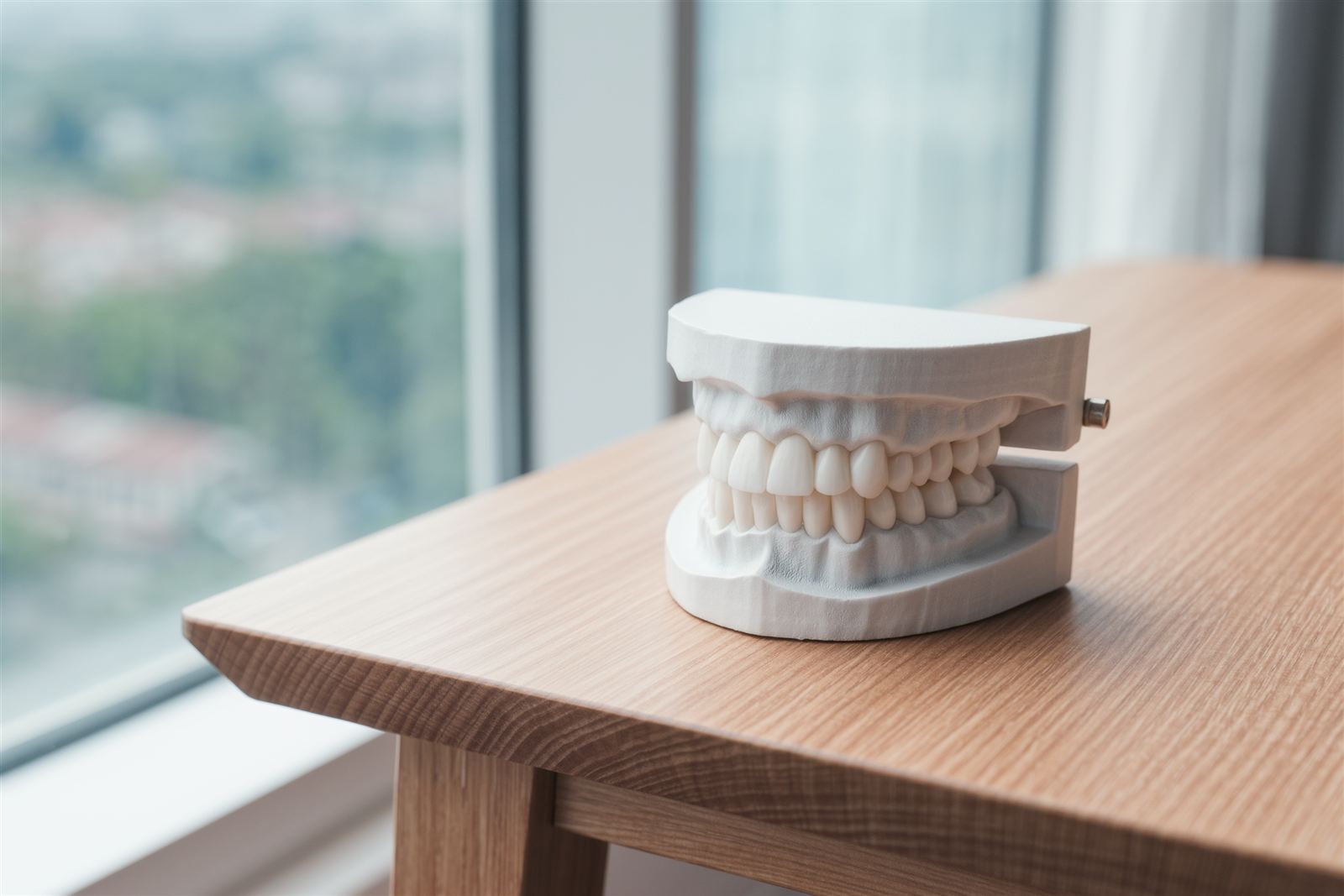
Cavities and fillings
A cavity is a little hole in a tooth, caused when acids from bacteria in plaque break down enamel, the hard outer layer. Cavities are more common in children, but they are an adult problem too, especially when gums recede and expose tooth roots, which are covered by softer tissue than enamel. A dentist treats a cavity by removing the decay and filling the space.
You have a say in the material. Your dentist weighs the size and location of the cavity, and you may also consider appearance, how long the filling could last, insurance coverage and out of pocket cost.
Filling materials
Composite resins are tooth-colored fillings made from a mixture of glass or quartz filler. They resist fracture in small to mid-size fillings that handle moderate chewing pressure and can be used on front or back teeth. Dental amalgam is sometimes called silver-colored filling and is made from a combination of metals including mercury, silver, tin and copper. It has been used for generations, it is very durable and it is more affordable than tooth-colored or gold fillings, but tooth-colored materials look more natural. Gold fillings, also called inlays or onlays, are an alloy of gold, copper and other metals. They are durable and have been used in dentistry for more than 1,000 years, but they cost more than amalgam and do not look like natural teeth.
Ask your dentist which material suits your tooth and what each option costs.
Crowns
A crown covers a tooth to restore its normal shape and size, and it can make the tooth stronger and improve its appearance. Dentists use crowns to strengthen a tooth with a large filling when not enough tooth is left to hold the filling, to attach bridges, to protect a weak tooth from breaking or restore one that has broken, to cover teeth that are discolored or badly shaped and to cover a dental implant. If your dentist recommends a crown, it is probably for one of these reasons, and it is fine to ask which one applies to you.
Root canals
If a tooth is severely damaged or decayed, or has a serious infection called an abscess, your dentist may recommend a root canal to save the tooth instead of removing it. The pulp inside the tooth is soft tissue with nerves and blood vessels, and it can become infected after a deep cavity, repeated dental procedures, a cracked tooth or an injury. Left untreated, the tissue around the root can become infected, which often brings pain and swelling.
Treatment usually takes one or two visits. Your dentist numbs the area with local anesthesia, so there is little to no pain, takes X-rays, and protects the tooth with a thin sheet of rubber. Then the dentist removes the nerve from inside the tooth, cleans and seals each canal and places a temporary filling. A follow-up visit replaces the temporary filling with a permanent filling or a crown. Your dentist may refer you to an endodontist, a specialist in the pulp and the tissues around the root. With proper care, a restored tooth can last a lifetime.
Questions to ask before treatment
Before you agree, ask what the problem is, what the options are, how long each will last, what each costs and how your insurance applies. Ask for fees and payment options before treatment is scheduled. For cost and coverage details, see dental cost and insurance. To find an office, use the directory of St. Louis Park dentists.
Common questions
Which filling material is best?
Your dentist considers the size and location of the cavity, and you may weigh appearance, durability, insurance and cost. Talk it through with your dentist.
Does a root canal hurt?
There is little to no pain during the procedure because your dentist uses local anesthesia. The tooth may feel sensitive for a few days afterward.
How many visits does a root canal take?
Usually one or two, plus a follow-up visit to place a permanent filling or a crown.
Why would I need a crown after a root canal?
A crown protects the tooth from further damage. A metal or plastic post may also be placed in the canal to help hold the filling materials in place.
How do I prevent cavities?
Brush twice a day with fluoride toothpaste, clean between your teeth daily, limit snacking and see your dentist regularly. Ask about sealants and fluoride.